Curriculum
Oracy is embedded as a key pedagogical approach and through structured discussion, debate, and collaborative enquiry, children learn not only to think like geographers but speak like geographers also. We aim to strengthen pupils’ confidence as articulate communicators, deepen their understanding through dialogue, and promote respectful and effective listening as part of collaborative learning.
The curriculum provides pupils with the knowledge, understanding, and skills required to become informed and responsible global citizens. Through studying their own place in the world, pupils are encouraged to reflect upon their values and their responsibilities towards others, the environment, and the sustainability of the planet. At Ashleigh, learning in Geography is contextualised within a growing global awareness, ensuring that pupils develop both a sense of identity and a respect for cultural and environmental diversity.
Across all year groups, the Geography curriculum is mapped into discrete units with clearly defined learning intentions covering the four statutory areas: locational knowledge, place knowledge, human and physical geography, and geographical skills and fieldwork. Units and enquiries are carefully sequenced to ensure systematic progression in geographical knowledge and understanding, with thoughtful selection of case studies that vary in location, scale, and complexity.
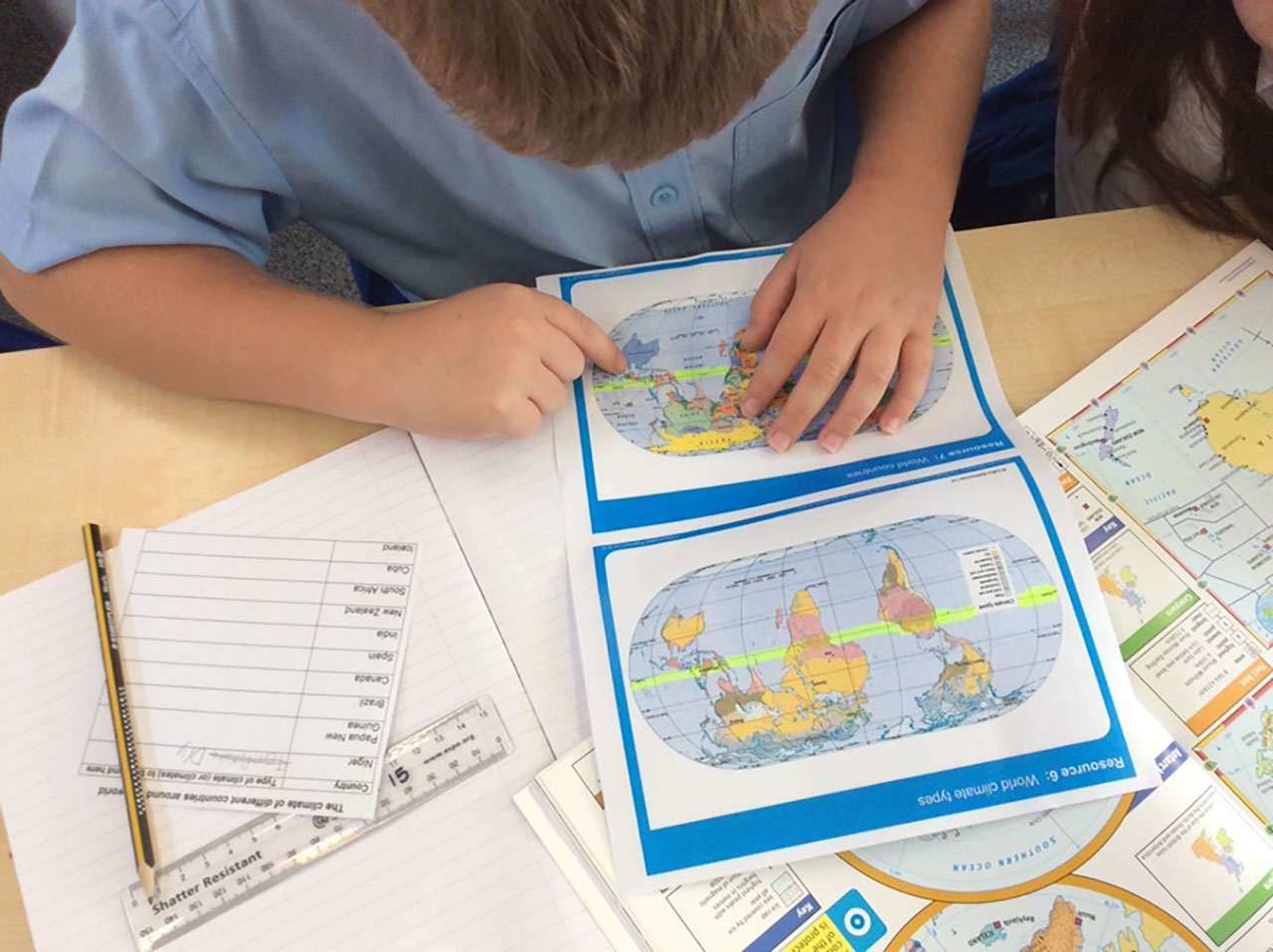
Assemblies addressing current affairs complement classroom learning by exploring significant geographical issues and situating them within a global context. The school’s extensive and diverse grounds, including the school farm, offer rich opportunities for fieldwork at a local level. Our proximity to the coast and the Norfolk Broads further enhances pupils’ learning through meaningful, real-life case studies and educational visits that bring Geography to life. Each classroom is equipped with a world map and age-appropriate atlases to promote connected geographical learning across the curriculum and support pupils in consolidating and applying their knowledge.
At Ashleigh, we recognise that Geography is an evolving and dynamic discipline. Accordingly, the curriculum is reviewed annually to reflect current geographical thinking, advances in pedagogy, and the ongoing commitment to developing pupils as confident, informed, and articulate global citizens.
A central feature of our approach is the deliberate and consistent development of oracy and communication skills. Pupils are taught to express geographical ideas with confidence, clarity, and precision, using subject-specific vocabulary appropriately in both spoken and written forms. Through discussion, debate, and collaborative enquiry, children learn to articulate reasoned arguments, justify opinions with evidence, and challenge ideas constructively. These structured opportunities for talk enable pupils to consolidate their geographical understanding while also strengthening their ability to communicate effectively in a range of contexts.
Equally, pupils are supported in becoming attentive and reflective listeners. They learn to value and respond thoughtfully to the perspectives of others, recognising that listening carefully is an essential part of understanding complex geographical issues. By embedding oracy throughout the curriculum, we aim to develop learners who are not only knowledgeable but also articulate, empathetic, and able to engage meaningfully in informed discussion about the world they live in.
By the end of Year 6, pupils will have a broad and secure understanding of their place in the world and will be able to question, analyse, and think critically about issues that directly and indirectly affect them. They will have used a range of digital technologies to investigate the impact of recent global events and to explore current theories and data that inform our understanding of future environmental and societal change.
Their time at Ashleigh will have developed them into independent thinkers, confident speakers, and considerate listeners — learners whose curiosity and communication skills empower them to continue exploring the world around them and to take an active, responsible role in caring for our planet.
Knowledge Organizers
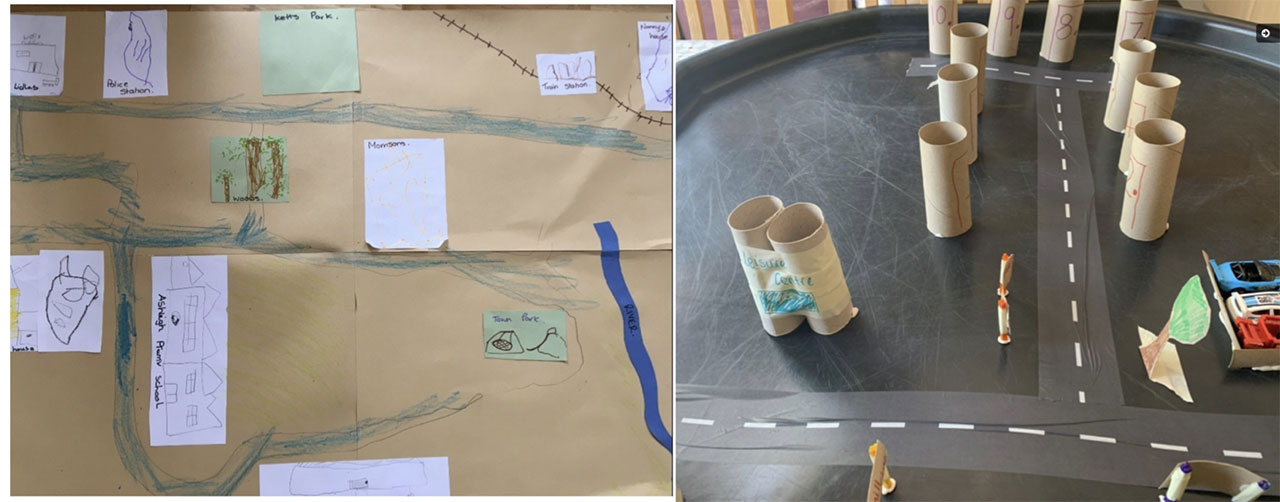
Year 2 – Where is Paddington bear today? Year 2 – What is the journey to school like in different places? (case study)
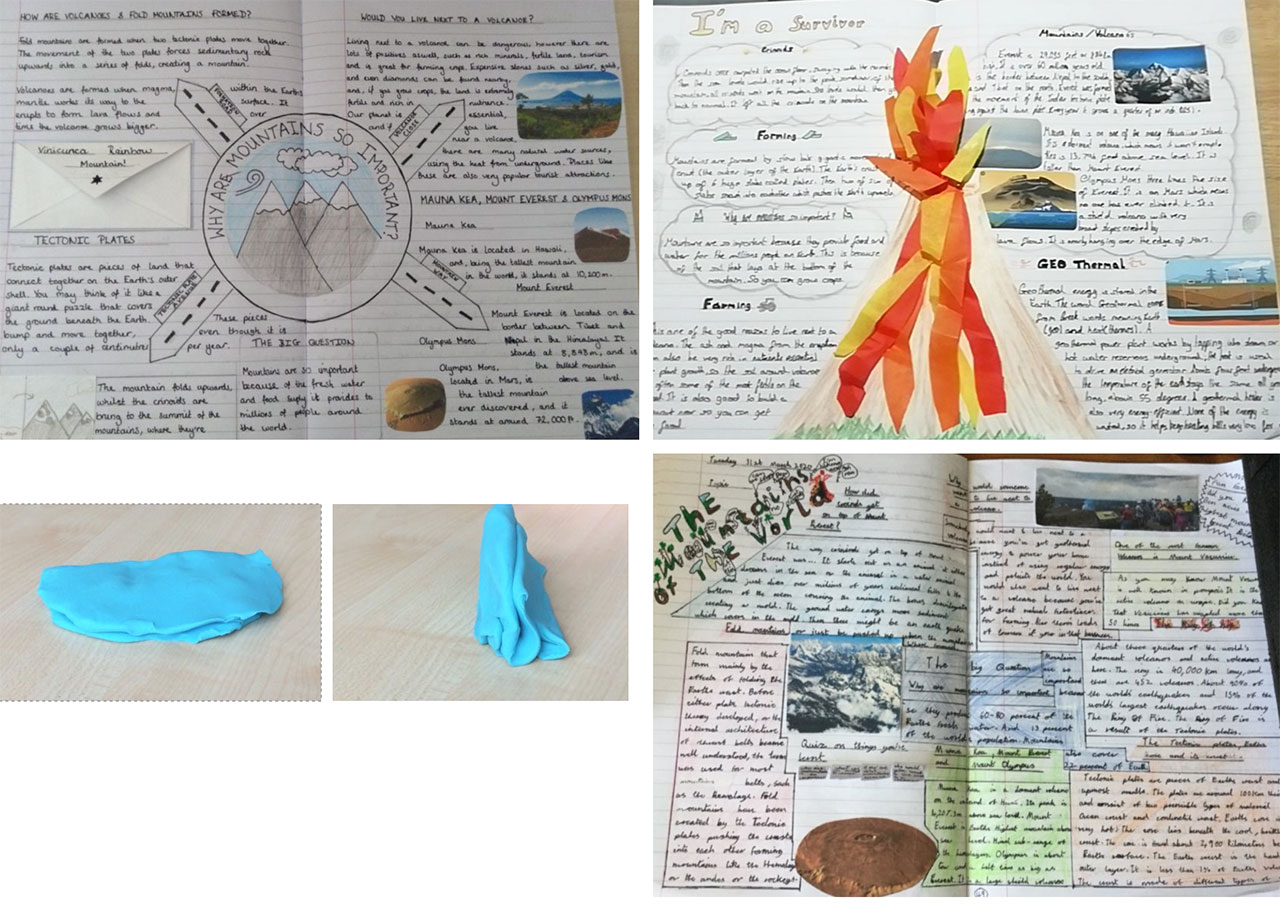
Year 5 – Why would somebody live near a volcano?
Year 5 – What is Greece like today?
Achievements


Lorem ipsum dolor sit amet, consectetur adipiscing elit. Ut elit tellus, luctus nec ullamcorper mattis, pulvinar dapibus leo.
Lorem ipsum dolor sit amet, consectetur adipiscing elit. Ut elit tellus, luctus nec ullamcorper mattis, pulvinar dapibus leo.