
We believe that every child can master an understanding and love of Maths with the right kind of teaching and support.
The 2014 National Curriculum for Maths aims to ensure that all children:
- Become fluent in the fundamentals of Mathematics
- Are able to reason mathematically
- Can solve problems by applying their Mathematics
The National Curriculum expectation for Primary Schools across the UK is that, by the end of Year 4, pupils are capable of recalling all 12 times tables up to 12 x12.
We believe that a key tool in this mastery approach to mathematical learning is a knowledge and understanding of multiplication and division. At Ashleigh, we therefore believe it is essential for all children to leave with a secure knowledge of multiplication tables to underpin all future learning and we want our pupils to use this knowledge confidently in their lives in a range of different contexts.
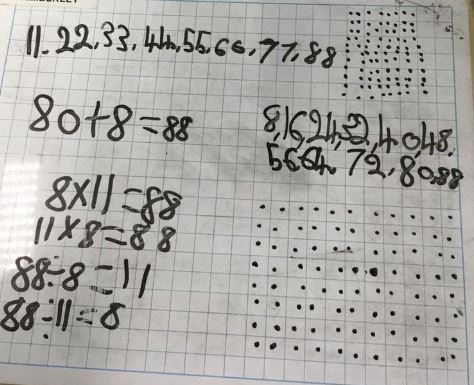
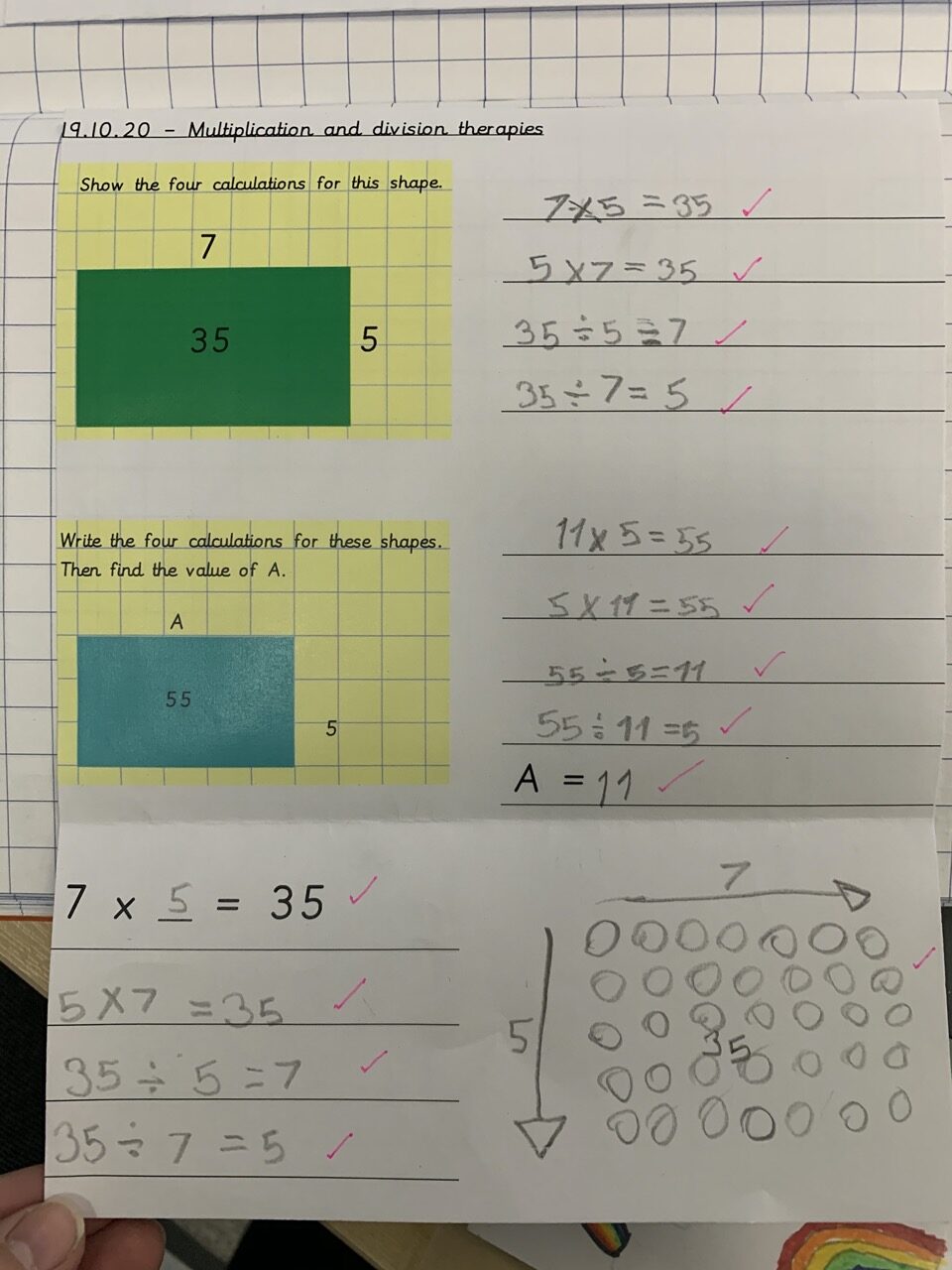
We believe this understanding should be gradually developed through a variety of different interesting and fun ways, using the CPA approach (learning concepts through concrete apparatus, pictorial images and finally abstract representations) adopted in the Maths – No Problem scheme. We believe Ashleigh pupils should end up being able to problem solve in multiple contexts using their secure knowledge of both multiplication and division facts.
At Ashleigh, we believe that a secure grasp of times tables is the cornerstone of mathematical fluency and confidence. To ensure every child develops a deep, lasting understanding of multiplication and division, we follow the Concrete Pictorial Abstract (CPA) approach. By transitioning from physical resources and visual representations to abstract calculations, we ensure that pupils don’t just memorise facts, but truly understand the relationships between numbers.
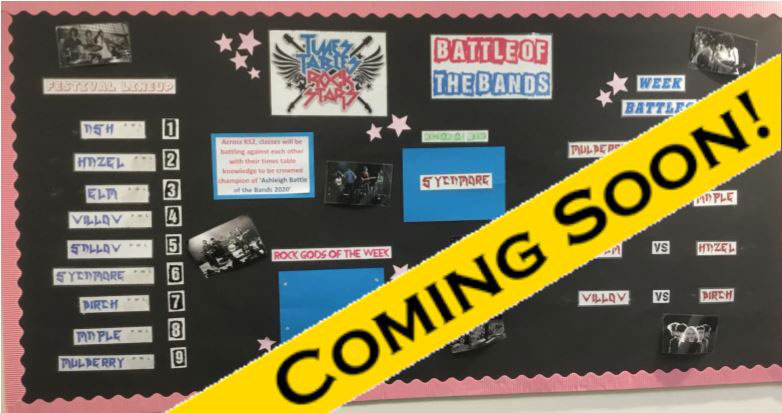
The teaching of times tables is integrated into our daily curriculum through high-quality, formal instruction within maths lessons, where new concepts are introduced and explored. To build fluency and keep learning engaging, we also incorporate a variety of interactive games and challenges that encourage quick recall in a low-stakes environment. Additionally, we utilise Times Tables Rock Stars as a core digital tool, allowing pupils to practise at their own pace both in school and at home, fostering a healthy sense of competition and a passion for mastering their facts.
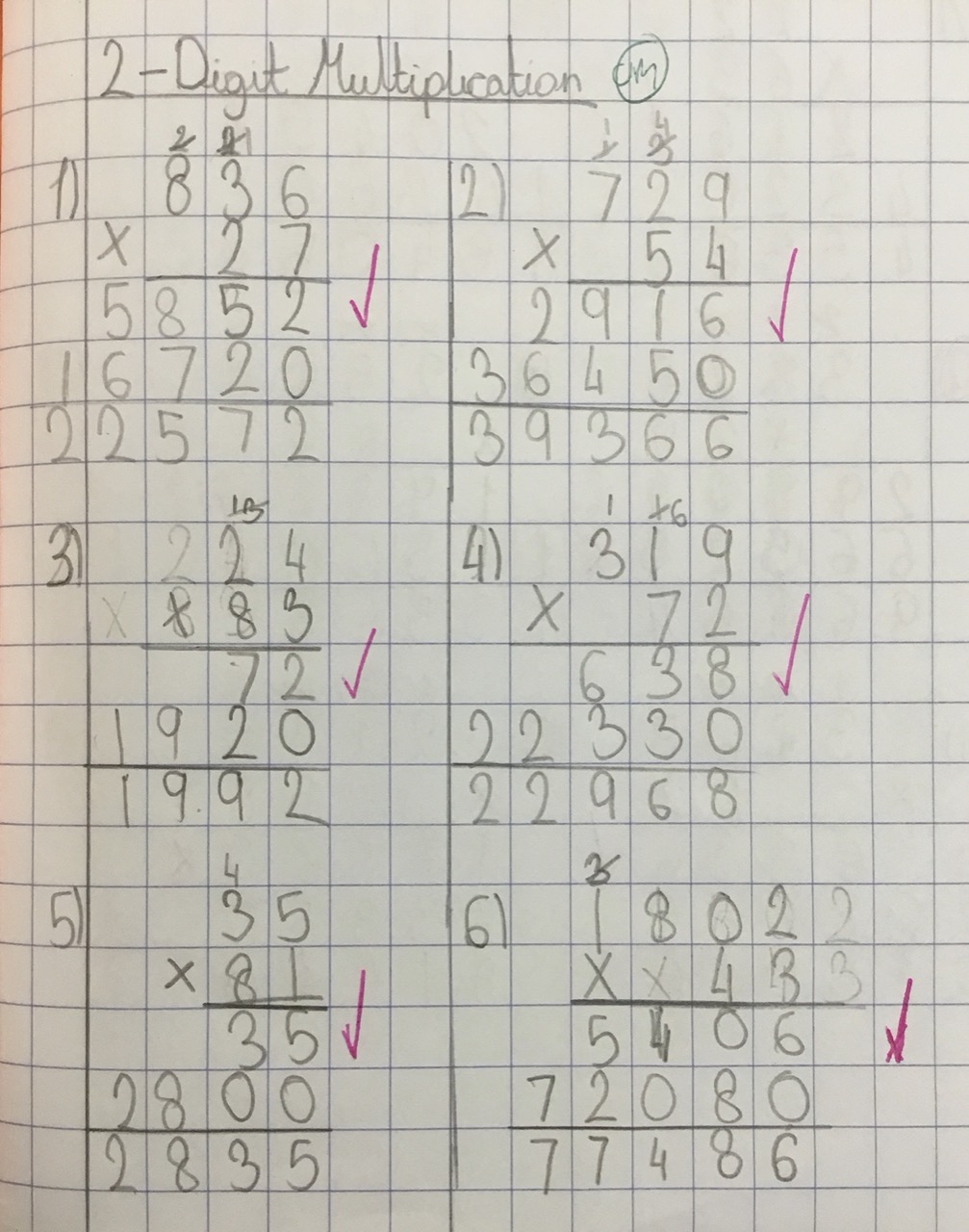
To ensure these facts are embedded in long-term memory, we employ a rigorous system of daily assessment and retrieval practice. Pupils engage in short, focused daily sessions dedicated to the rapid recall of both multiplication facts and their corresponding division facts, reinforcing the inverse relationship between the two. These frequent low-stakes check-ins allow teachers to identify gaps in knowledge immediately and provide tailored support, ensuring every child builds the automaticity required for more complex mathematical problem-solving.
We take great pride in rewarding the dedication pupils show toward their learning, celebrating their progress through a tiered badge system. Children can earn bronze, silver and gold badges as they hit key milestones, providing a clear and motivating pathway for their journey. These awards are not just a mark of mathematical speed, but a recognition of the hard work and sustained effort required to master each table, ensuring that every child’s perseverance is acknowledged and celebrated by the whole school community.
We are committed to the inclusion of all pupils, ensuring that every child has the opportunity to succeed regardless of their starting point. Teachers skilfully adapt our systems and resources to meet individual needs, providing scaffolded support or alternative representation where necessary. By tailoring challenges and setting personalised goals, we ensure that all children can see their own growth, feel a genuine sense of accomplishment and remain confident that progress is always within their reach.
We recognise that a strong partnership between home and school is vital for a child’s success. We encourage parents and carers to take an active role in this journey; if you would like to further support your child’s learning, please do not hesitate to ask their class teacher for tailored ideas, games and practical activities to try at home. These shared experiences not only reinforce classroom learning but also help children see the fun and functional side of mastering their tables.



Times Table Rock Stars